Evidence-led buyer guide
Longevity Supplements: Evidence, Pathways and How to Choose
Compare longevity supplement pathways, evidence levels and product choices without confusing mechanisms with proven human outcomes.
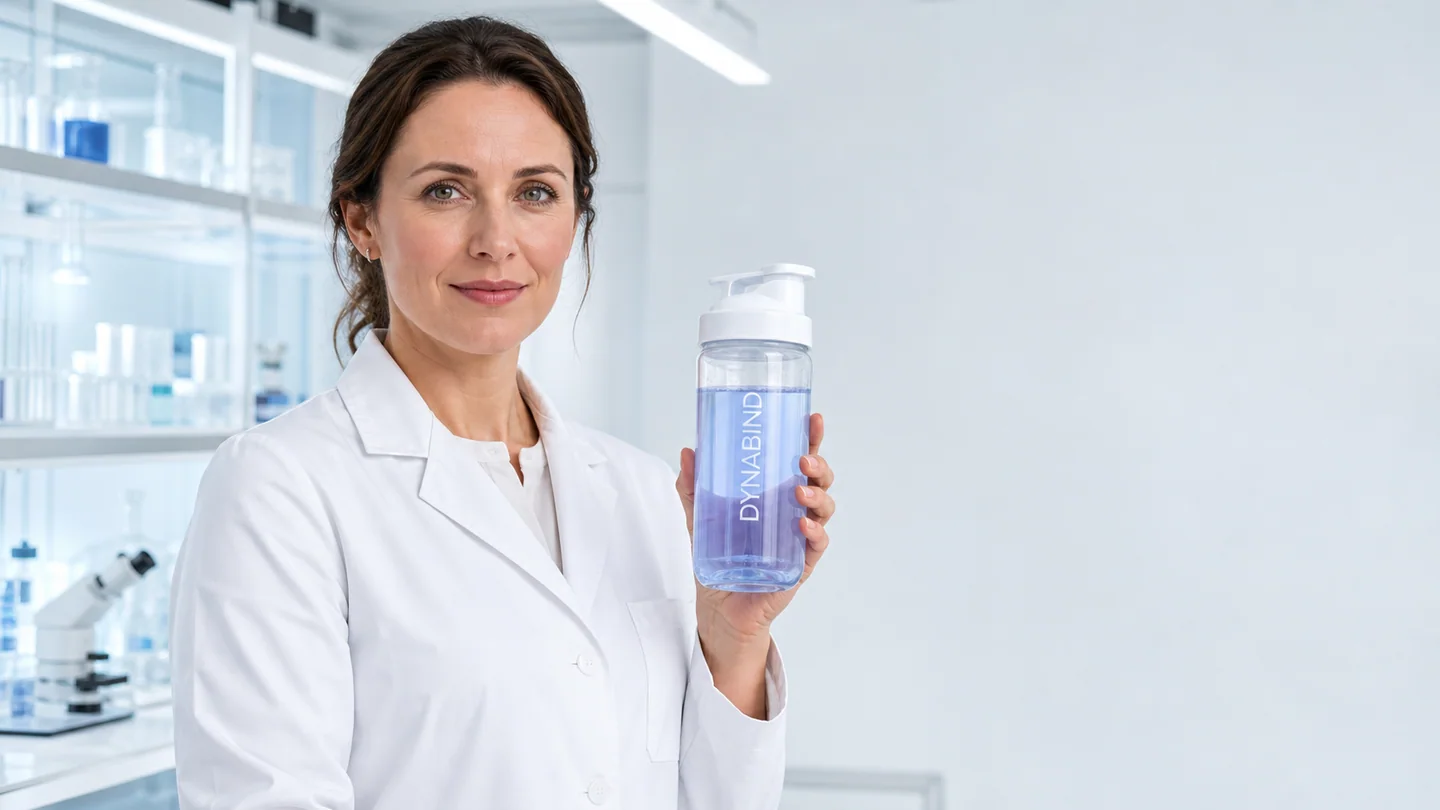

Which longevity supplement actually fits the pathway you care about?
The useful question is not which ingredient has the loudest promise. It is which compound has an identity, evidence level and biological role that match your goal.
This guide groups products by research pathway and identifies where evidence is human, observational, preclinical or mechanistic. It does not rank products by invented scores or claim that one ingredient extends human lifespan.
NAD+ and cellular energy
NMN, NMNH, Nicotinamide Riboside, NRHM, NAD+ and NADH are related to NAD biology but are not interchangeable. Human evidence is stronger for some precursor approaches, while NMNH and several newer forms remain primarily preclinical.
Compare exact forms and do not assume that a larger laboratory NAD+ response guarantees a better human outcome.
Mitochondrial quality control
Urolithin A is studied in mitophagy and has randomized human research on mitochondrial biomarkers and muscle outcomes. CoQ10 and NADH participate in electron-transfer pathways, while PQQ is studied in mitochondrial signalling.
A mitochondrial mechanism is relevant context, but fatigue and performance have many non-mitochondrial causes.
Autophagy and cellular renewal
Spermidine research spans observational, mechanistic and emerging human evidence. Fisetin is widely discussed as a senolytic, but much of that evidence remains preclinical.
Do not translate cell clearance or autophagy findings into claims of disease treatment or lifespan extension.
Metabolic and Krebs-cycle pathways
CA-AKG participates in central metabolism and has preclinical healthy-aging research plus a retrospective human formulation analysis. D-Chiro-Inositol is studied in insulin-signalling contexts.
Population, dose and combination ingredients matter when interpreting metabolic studies.
Antioxidant and stress-response pathways
Trans-resveratrol, pterostilbene, sulforaphane and L-Ergothioneine are studied through different antioxidant and cellular stress-response mechanisms.
Antioxidant is not a single interchangeable category. Transport, form, dose and the outcome measured all affect relevance.
Brain and neuronal support
CDP-Choline has human memory research, while PQQ and trans-resveratrol have selected cognitive studies. BDNF and neurogenesis language often extends beyond direct human evidence.
Use cognitive outcomes that match the study and seek assessment for persistent or sudden neurological symptoms.
Multi-ingredient complexes
A complex can reduce measuring and replenishment burden, but it also combines evidence with different strengths. Transparency and formula rationale are more useful than a high ingredient count.
Choose a complex only when its disclosed ingredients and intended pathways fit your goal, medication context and tolerance for uncertainty.
Ingredient evidence
What the cited research can and cannot show
Evidence for an individual ingredient or pathway is not a clinical trial of the complete formula. Human, observational, preclinical and mechanistic findings answer different questions and are labelled separately below.
Longevity Complex™
Seven-ingredient multi-pathway formula
Combines NMNH, NRHM, NADH, CoQ10, Spermidine 3HCl, CA-AKG and trans-resveratrol.
Review the cited sourceUrolithin A
Mitophagy and muscle-mitochondrial research
One of the stronger human-research profiles in the catalog for mitochondrial biomarkers and muscle outcomes.
Review the cited sourceCoenzyme Q10
Mitochondrial electron transport
Studied across fatigue, cardiovascular and other contexts; relevance depends on the population and outcome.
Review the cited sourceNMN
NAD+ precursor research
Human studies examine NAD-related and metabolic outcomes, but do not prove lifespan extension.
Review the cited sourceNMNH
Reduced-NMN research
A promising NAD+ research compound whose reported strong response should not be presented as a proven human benefit.
Review the cited sourceSpermidine 3HCl
Autophagy pathway research
Evidence varies by dietary exposure, ingredient form and outcome.
Review the cited sourceCA-AKG
Krebs-cycle and healthy-aging research
Human formulation findings require controlled replication and do not isolate CA-AKG.
Review the cited sourceSafety guidance
Use supplements with appropriate medical context
Review medications, conditions and existing supplements with a qualified healthcare professional before starting or combining longevity products.
Frequently asked questions
Longevity Supplements: Evidence, Pathways and How to Choose FAQ
What are longevity supplements?
They are products marketed around pathways associated with healthy aging, such as NAD+ metabolism, mitochondrial function, autophagy and antioxidant responses. They are not proven to extend lifespan.
Which longevity supplement has the strongest evidence?
There is no universal winner. Evidence strength depends on the outcome, population and compound. CoQ10 and Urolithin A have meaningful human research, while several newer compounds remain primarily preclinical.
Should I take a complex or separate ingredients?
A complex can simplify use, while separate ingredients allow more control. In either case, compare exact identity, amount, evidence, storage and interactions.
Are longevity supplements clinically proven to reverse aging?
No. Some studies examine biomarkers or functional outcomes, but those findings do not establish reversal of aging or longer human lifespan.